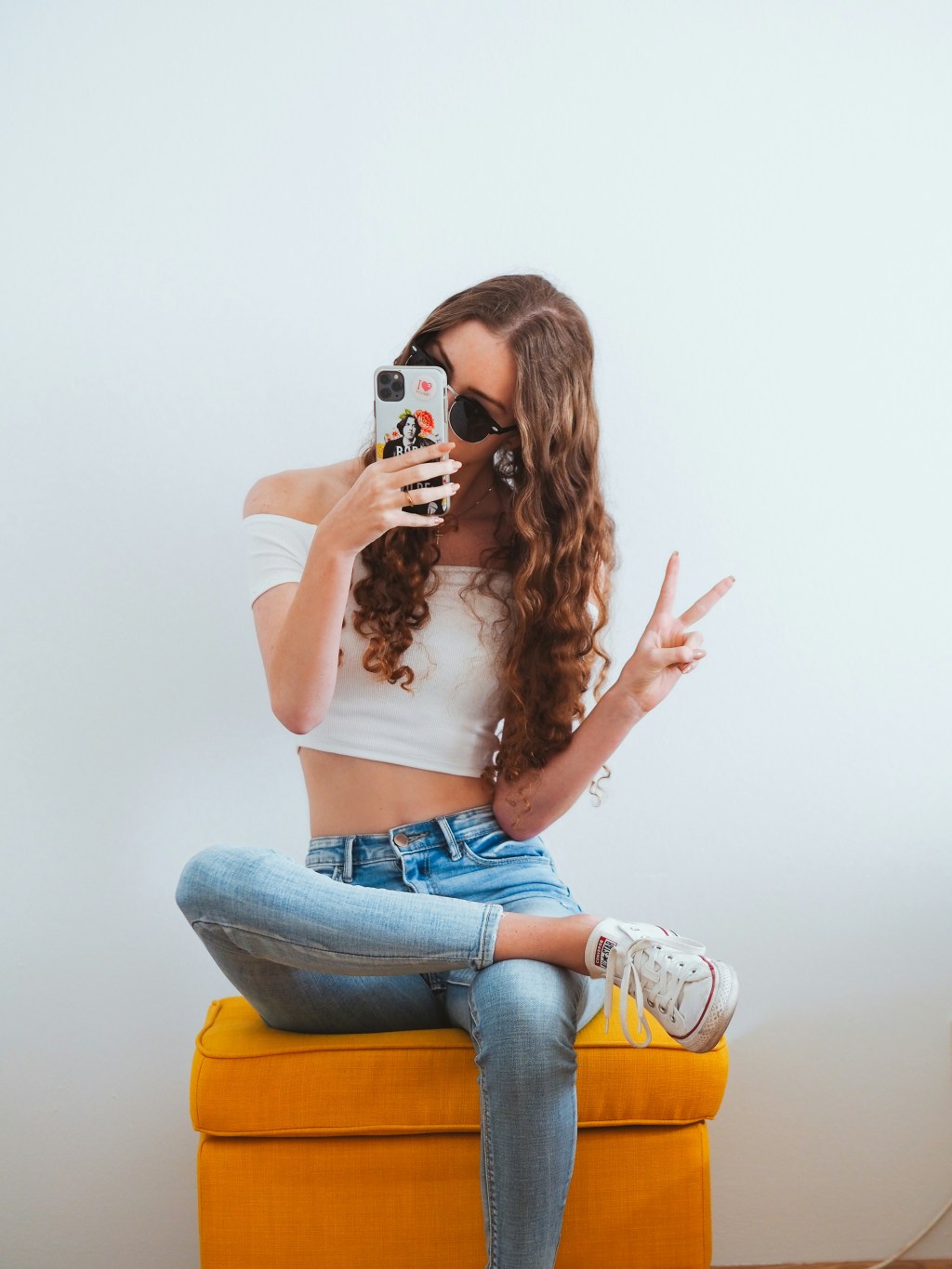
Instagram and marketing gurus repeat endlessly that if you want even to register on the overcrowded global map of social media, you must produce quality personal content regularly—if not constantly. The rationale behind this is that people need to identify with, or at least sympathize with, you—not so much as an artist, but as a person. This message is hammered so often that it has become almost the gospel of social media marketing.

But let’s take a step back from this dogma.
Sure, some of you may genuinely enjoy sharing every detail of your personal life with your audience. But others may feel that this pursuit of “authenticity” often seems paradoxically contrived and unnatural. Not so long ago, before the age of Meta, most artists were fiercely protective of their private lives. Except for seedy tabloids and the most hardcore fans, people simply let their favorite musicians live their lives, and enjoyed the fruits of their creative labor.
Today, it seems that with the endless flood of new music and content, the only way to grab anyone’s attention is to constantly throw your humanity at them—often in increasingly intimate ways.
But what if you’re not comfortable with that?
Many people feel downright silly filming themselves or taking endless selfies. And frankly, there’s only so much “behind-the-scenes” content you can produce before it becomes interesting only to your mother—and maybe yourself.
Social media platforms nudge (or shove) you toward exposing more and more of your private life. But must we take part in this global machinery of voyeurism?
I think the issue runs even deeper than social media presence.
Artists have always drawn inspiration from their own experiences and struggles. But today, it seems there’s hardly room for anything else. Opening up your darkest drawers and treating songwriting (or any art) as a form of public therapy has almost become the expected norm.
Without passing judgment on those who genuinely find healing and purpose in this approach, I believe that the glorification of “authenticity” and the relentless injunctions to “show the real you” can be a self-defeating charade. Worse still, it narrows the range of lyrical and artistic possibilities.
You should feel absolutely free to tell stories that have no direct link to your personal life.
In fact, some of the most interesting works of art are those that reveal truths about their creators indirectly—what Emily Dickinson called telling the truth “but tell it slant.”
You are under no obligation to open every drawer of your intimate existence to a public that, truth be told, often doesn’t care about you as a person but is motivated instead by herd-driven voyeurism.
Perhaps the way forward is precisely to preserve a healthy separation between the artist and the art—or at least to abandon the manufactured vulnerability and transparency that social media has forced so many of us into.
Let’s reclaim the art of storytelling. Let’s create worlds, invent characters, imagine lives and adventures beyond our own.
The choices we make when we invent stories also reveal who we are—and in a deeper, freer way. They allow us to live other experiences vicariously, to expand our minds rather than confine ourselves to the narrow catalog of personal misery and the endless minutiae of our daily lives.
Otherwise, our creations risk shrinking into repetitive manifestations of our egocentric obsessions—and we deserve better.
 The Lyrics Doctor
Leave a comment